


During his time recruiting for C-level executive roles, author and advisor Price Pritchett shared a critical realization on the School of Greatness podcast [0]. He would routinely enter his mentor’s office with a candidate’s resume—detailing decades of experience, elite pedigree, and a long list of corporate successes.
His boss would scan the credentials, look up, and ask a single, unexpected question:
“And how about the candidate’s energy level?”
To Pritchett, the question initially seemed superficial. But over years of observing executive transitions, the wisdom behind it became undeniable. Experience and intellect represent static assets—they are potential. Energy, however, is dynamic. It is the kinetic force that translates that potential into actual momentum.
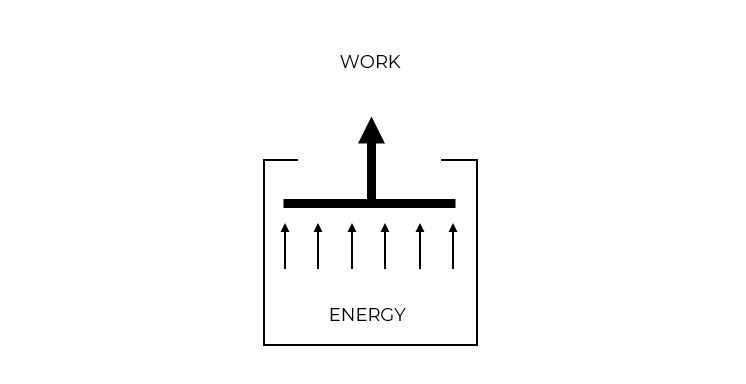
Picture 1. Energy as inner capacity to do the work
In physics, energy is simply the capacity to do work. In high-performing teams, individual and collective energy is the fuel that drives execution, speeds up feedback loops, and builds long-term resilience.
1. The High Cost of Energetic Drag
Most modern organizations are designed to manage time and headcount. They track resource allocation, clock hours, and plan sprint capacities. Yet, they routinely ignore the fundamental currency of performance: vitality.
As Jim Loehr and Tony Schwartz argue in The Power of Full Engagement, time is a finite resource, but energy can be systematically expanded and renewed [1]. When team energy is low, even simple tasks encounter friction, decision-making slows, and communication breaks down. When energy is high, teams naturally find ways to bypass obstacles, align without endless meetings, and execute at pace.
To build an organization capable of operating at market speed, leadership must transition from managing hours to stewarding the team’s collective energy.
2. Spotting the Signal: How to Detect True Energy
A common mistake in recruiting and team assessment is confusing high energy with loud extroversion or superficial enthusiasm. Some of the most energetic contributors are quiet, highly focused individuals who maintain an intense, steady drive.
To detect genuine organizational energy, look for three distinct behavioral markers:
Generative Curiosity: High-energy individuals exhibit a high rate of information-seeking behavior. They do not just accept assignments; they ask deep, contextual questions to understand the broader ecosystem of a project [2].
High Recovery Velocity: Setbacks are inevitable. Low-energy individuals or teams often enter a period of prolonged demotivation after a failure. High-energy teams process the failure, extract the learning, and pivot to the next logical step with minimal delay.
Relational Charge: Jane Dutton’s research on High-Quality Connections (HQCs) shows that some individuals naturally act as “energetic multipliers” [3]. When they join a meeting, they elevate the attentiveness and presence of those around them, rather than draining the room’s psychological reserves.
3. Amplifying the Current: How to Boost Team Vitality
You cannot mandate energy. You can, however, design an environment where it naturally builds and multiplies.
Push Decisions to the Edge: Autonomy is a primary driver of human vitality. According to Self-Determination Theory (SDT), intrinsic motivation is maximized when individuals experience autonomy, competence, and relatedness [4]. When you strip away layers of bureaucratic approvals and allow the people closest to the process to guide execution, you remove the friction that quietly drains enthusiasm.
Program “Micro-Wins”: Momentum is highly addictive. Teresa Amabile’s research on the “Progress Principle” demonstrates that nothing fuels workplace motivation and positive energy more than a clear sense of progress [5]. By breaking complex, multi-month initiatives into small, highly visible milestones, teams experience a continuous feedback loop of success that regenerates cognitive focus.
Establish Absolute Clarity: Ambiguity is a massive energetic drain. When teams are unsure of their priorities or what “success” actually looks like, they waste mental energy on second-guessing and defensive positioning. Establishing a clear, singular focus aligns the team’s collective efforts, directing all available energy toward a single target.
4. Eliminating the Parasites: How Not to Destroy Energy
In many cases, the most effective way to elevate a team’s energy is not to add new motivators, but to systematically eliminate the elements that destroy it.
Chronic Bureaucracy: Pointless reporting, redundant approval chains, and low-value meetings act as an administrative tax. They sap cognitive energy that should be reserved for high-impact work.
The Cost of Silence: When psychological safety is low, team members spend their energy managing personal risk rather than solving complex problems [6]. They sugarcoat bad news, avoid taking calculated risks, and remain silent when they spot errors.
Tolerating Energetic Black Holes: Allowing cynical or highly defensive behaviors to persist unchallenged within a dynamic signals that low standards are acceptable. This tax drains the positive, forward-looking momentum of the entire group.
The Leadership Takeaway
If you are leading a team, stop thinking of them as a collection of skills on a spreadsheet. Think of them as a closed energetic system.
Initiate a peer-led calendar reset: Instead of inspecting schedules from the top down, give your team the mandate and permission to audit their own recurring meetings [7]. Challenge them to collectively run a “Keep, Kill, or Async” retrospective on their shared calendars, removing the meeting bloat that saps their collective vitality.
Scan for the “multipliers”: Identify the individuals in your organization who elevate the energy of those around them. Protect their time, give them autonomy, and leverage their presence during high-stress phases of your projects.
Define the end state early: Before launching into the chaotic execution phase of a major project, paint a clear, unambiguous picture of what success looks like. Having this “render on the fridge” keeps the team anchored and energized, even when the work gets difficult.
Sources & Further Reading
[0] Pritchett, P. Howes L. (2025). Why 10x Goals Are Easier Than 10%. The School of Greatness podcast
[1] Loehr, J., & Schwartz, T. (2003). The Power of Full Engagement: Managing Energy, Not Time, Is the Key to High Performance and Personal Renewal. Free Press.
[2] Pritchett, P. (2012). Hard Optimism: How to Succeed in a World Where Things Go Wrong. McGraw-Hill.
[3] Dutton, J. E. (2003). Energizing Your Workplace: How to Create and Sustain High-Quality Connections at Work. Jossey-Bass.
[4] Deci, E. L., & Ryan, R. M. (2008). Self-Determination Theory: A Macrotheory of Human Motivation, Development, and Health. Canadian Psychology, 49(3), 182–185.
[5] Amabile, T., & Kramer, S. (2011). The Progress Principle: Using Small Wins to Ignite Joy, Engagement, and Creativity at Work. Harvard Business Review Press.
[6] Edmondson, A. C. (2018). The Fearless Organization: Creating Psychological Safety in the Workplace for Learning, Innovation, and Growth. Wiley.
[7] Perlow, L. A., Noonan Hadley, C., & Eun, J. (2017). Stop the Meeting Madness. Harvard Business Review.